Field records keep themselves, straight from the cab.
A family farm ran on paper logs, a whiteboard and a lot of phone calls. We turned the records they already keep into reports that write themselves.
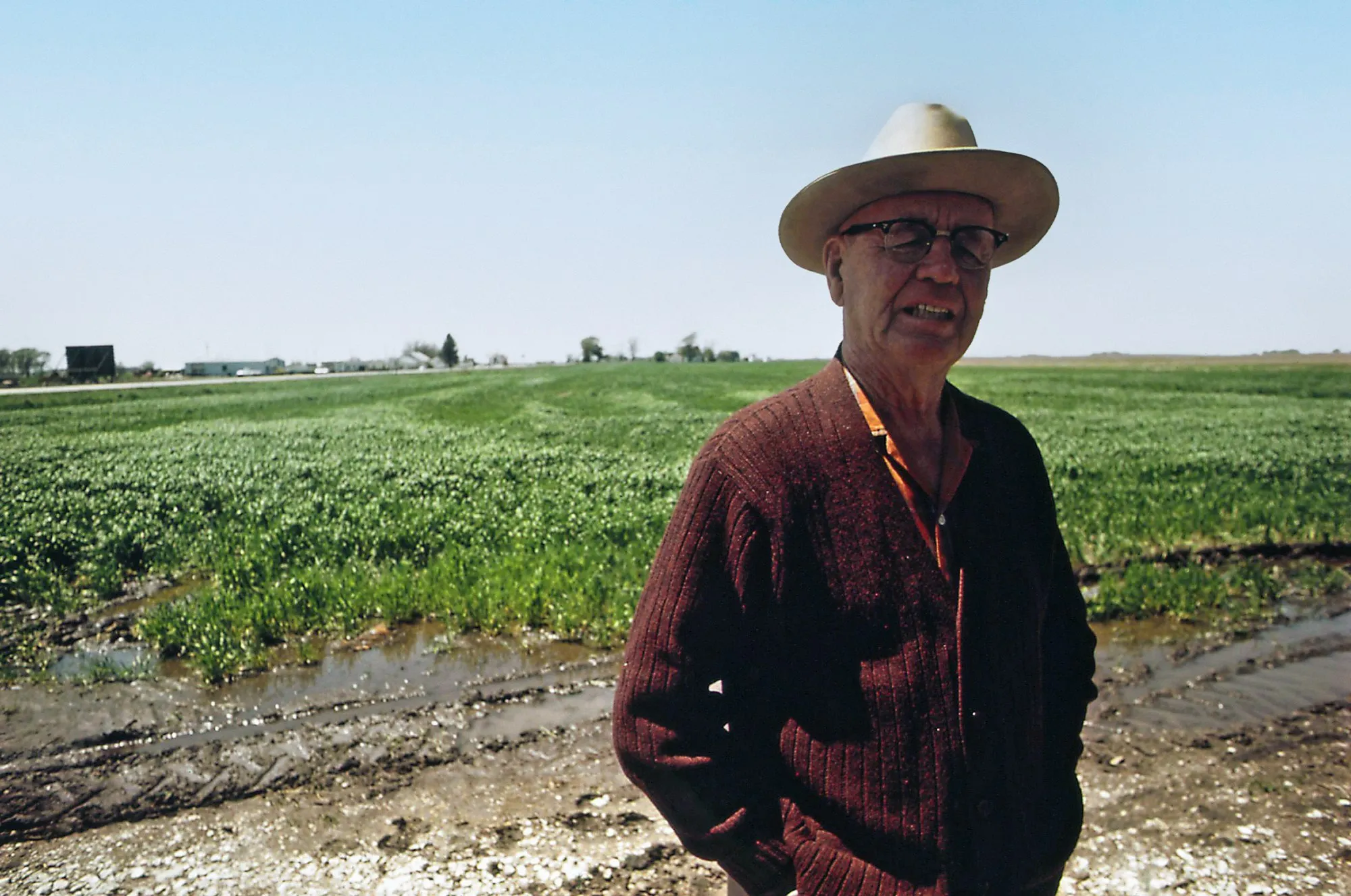
The business
A multi-generation row-crop operation with seasonal crews and one person handling the office side.
Where the hours went
- Planting, spraying and harvest details were written on paper or on the shop whiteboard and typed up later, if at all.
- Pulling records together for insurance, agronomists and landlords took days at the end of the season.
- New crew members called the owner with the same equipment and procedure questions every year.
Who does what now.
A personRuns itself
- Logging field activityWas done by operator + office, now automated.Operators send a quick text or voice note from the cab; it becomes a clean, dated record.
- Season and insurance reportsWas done by office, now automated.Reports build themselves from the season’s records, ready to review and send.
- Crew questions about equipmentWas done by owner, now assistant.An assistant trained on the farm’s own manuals and procedures answers the crew directly.
- Input and service remindersWas done by owner, now automated.Reminders go out ahead of each window, based on the farm’s own calendar.
- Agronomy and planting decisionsStays with owner.The calls that take experience stay with the people who have it.
What we built.
Text-to-record field log
Simple messages from the field become structured records by field, date, product and operator.
Automatic season reports
The records the farm already keeps, assembled into the reports insurance and partners ask for.
Crew assistant
Answers how-to questions from the farm’s own equipment manuals and procedures, any hour.
What's different for the team.
- Records get captured when the work happens, not reconstructed in winter.
- End-of-season paperwork becomes a review, not a project.
- The owner’s phone rings for decisions, not for where the grease points are.